
TAKE THE
FEELING WITH YOU.
Original designs and useful ideas for your next chapter on the road.
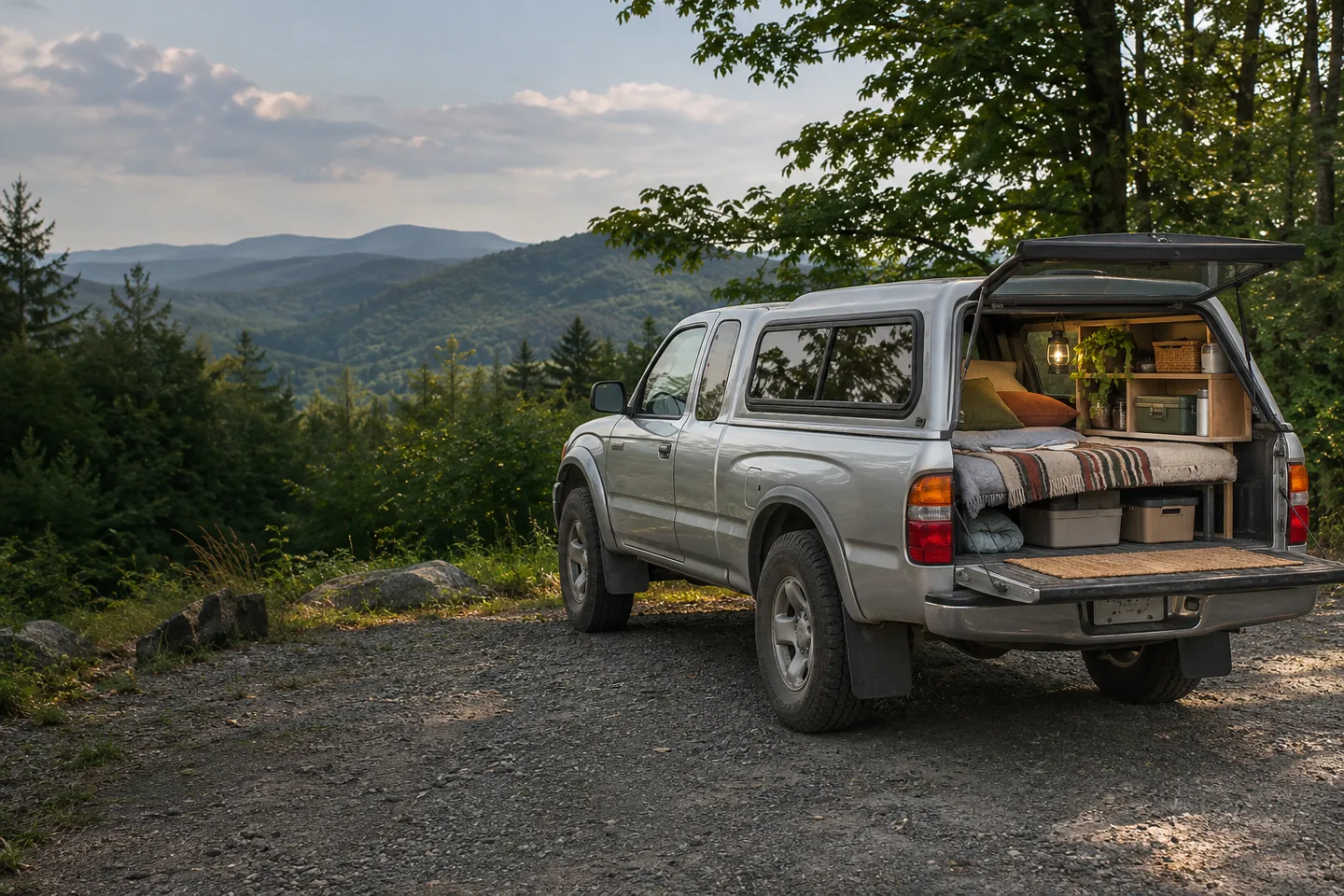
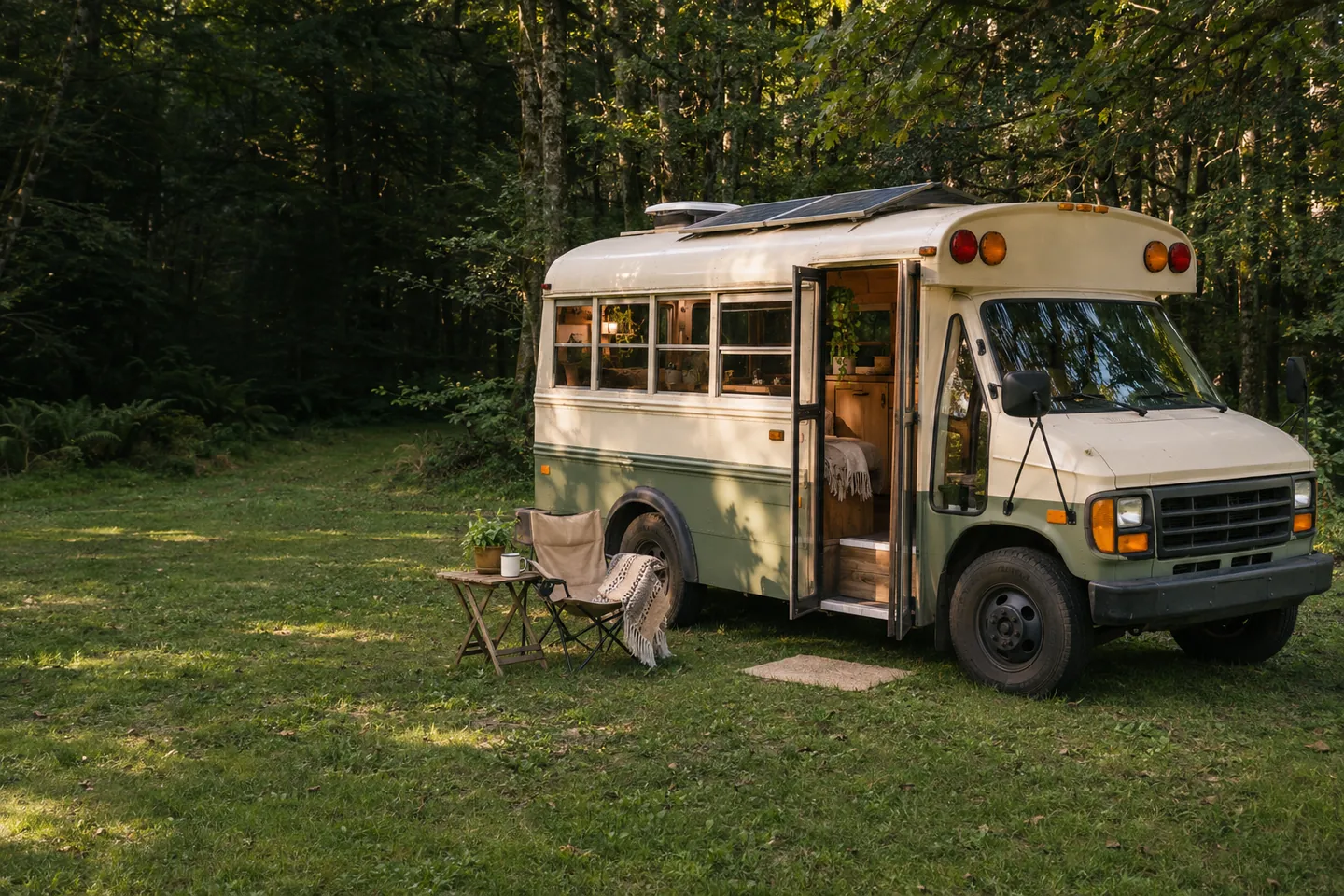
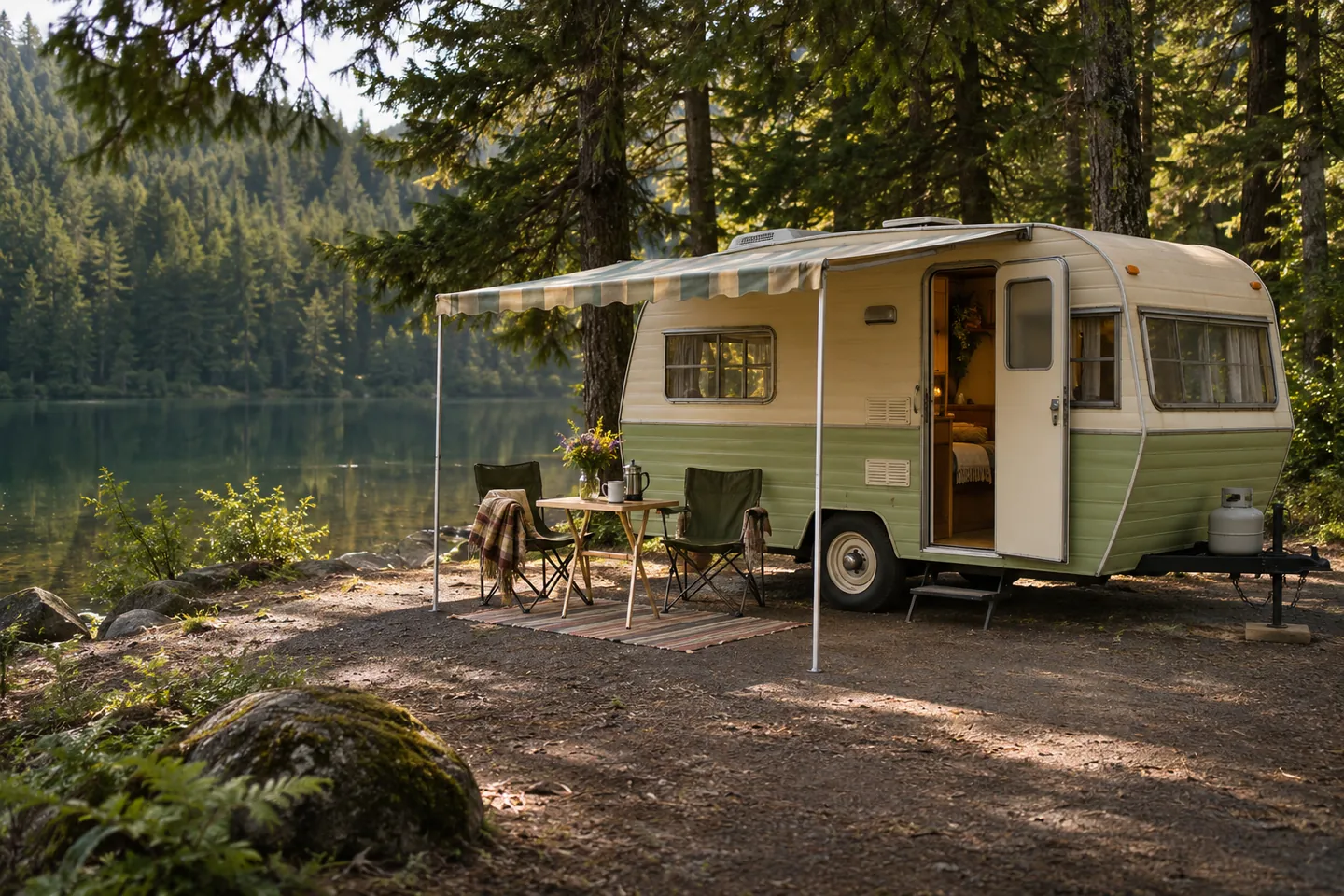
Explore the collectionA community for life on the road—in cars, SUVs, vans, pickups, buses, RVs and trailers.
From a simple sleeping setup to a home on wheels.
Find campsites, builders, and local communities. A city, a ZIP code, or wherever the road takes you.
A community for car, SUV, van, and RV life. Share your journey, swap practical ideas, meet builders, and find rigs and gear for your next chapter. From a simple sleeping setup to full-time travel, you belong here.
Car-camping checklists, SUV sleeping layouts, and budget van-conversion ideas. Practical guides for wherever you’re starting.
From weekend escapes to full-time freedom. Meet the rigs that make it possible.
All rigs · Every kind of home on wheels.
DESIGN PREVIEW — Vehicle listings, photos, names and prices are illustrative, not verified vehicles for sale.
Meet the makers. Find builders and services by area, explore their work, and read experiences shared by members.
Explore the builder directoryReal stories, unexpected detours, useful advice, and people who understand why you took the scenic route.
Document your journey with photos and a map. Add friends, share stories, and join groups for every kind of traveler.
Explore the communityRigs, solar gear, build parts, and camp essentials. Discover nearby listings and give useful things their next chapter.
Original designs and useful ideas for your next chapter on the road.
Explore the collectionOpen your own storefront, list useful things, and connect with buyers nearby.
Explore Member ShopsA first night away can start with a sleeping pad, a few organized bags, and a place where overnight camping is allowed. Use this guide to find out what your car can comfortably do before spending money on a conversion.
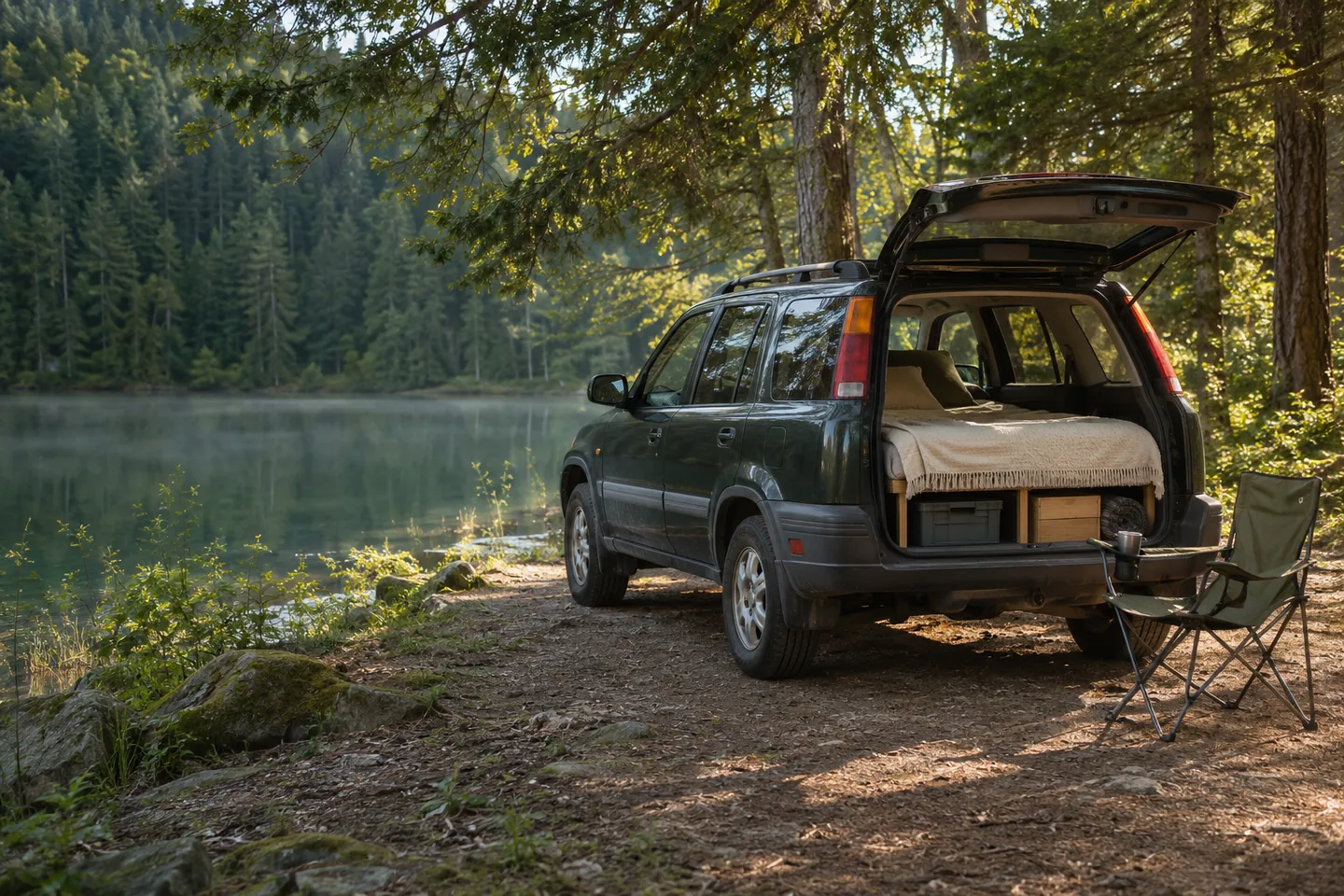
Park somewhere safe and level. Put the front seats in their normal driving positions, fold the rear seats as the owner’s manual allows, and measure the usable space with the hatch closed. Measure the narrowest point, not just the widest part of the cargo floor. Wheel arches, seat hinges, and a sloping roof can change what actually fits.
Try lying on a blanket in the space. Can you stretch out, turn over, and reach a door without climbing over packed bags? If the rear seats leave a slope or gap, do not assume a thick mattress will solve it. A smaller pad or a different sleeping direction may be more useful. If you cannot make a comfortable, accessible space, a tent beside the car may be the better first setup.
Start with things you already own and borrow unfamiliar gear where possible. Pack into a few separate bags so bedding, food, and everyday essentials stay easy to find.
| Need | Start with | Check at home |
|---|---|---|
| Sleep | A suitable pad, bedding, and pillow | Fit, warmth for the forecast, and room to turn |
| Food & water | Drinking water, simple meals, and containers | Enough for drinking, food preparation, and cleanup |
| Light & contact | Headlamp, charged phone, and charging cable | Offline directions and a shared trip plan |
| Personal basics | Medication, first-aid supplies, toiletries, and rubbish bags | Access to toilets and handwashing |
| Organization | Small bags or bins you can secure | Nothing obstructs driving or an exit |
The National Park Service camping checklist is a useful packing reference. Follow the destination’s food-storage rules; keeping food inside a vehicle is not automatically acceptable everywhere.
For the first trip, look for a nearby established campground with toilets, a clear arrival process, and a straightforward route home. Confirm that sleeping in your vehicle is permitted at your particular site. A parking space, map pin, review, or open gate is not permission to camp overnight.
Read the site’s current rules, reservation details, weather alerts, and food-storage instructions. Note the arrival deadline, where drinking water is available, and whom to contact if the gate is closed. Save those details offline. A low-pressure first night gives you more room to learn than a remote stop after a long drive.
At home, pack the car in driving mode, then time the change to sleeping mode. Put your shoes, keys, light, water, and phone somewhere reachable from bed. Make sure you can open an exit from inside and that bedding or privacy covers do not interfere with it. Remove covers and return the cabin to its normal driving arrangement before setting off.
Check the forecast and choose conditions your equipment can handle. A cracked window does not make a parked vehicle safe in dangerous heat or cold. Never use a fuel-burning camping stove or lantern inside the car; the National Park Service’s camping guidance warns against their use in enclosed spaces. Do your cooking in an allowed outdoor area and follow the appliance instructions.
After the night, write three short lists: what worked, what was awkward, and what you never used. Prioritize the problem you actually experienced. If the pad was comfortable but your bags blocked the door, changing storage may help more than buying a platform. If you struggled to stay organized in rain, try fewer items and a better packing order first.
Keep the setup easy to remove while you learn. Before each drive, check that passengers have proper seats and restraints and that cargo is secure. NHTSA’s load-securing guidance emphasizes avoiding overloads and checking your cargo. For vehicle limits and attachment points, use your own model’s manual.
Ready for a more permanent sleeping surface? Read our SUV sleeping-platform planning guide. You can also share your measurements and first-trip lessons with the Mobile Residency community.
Compare SUV sleeping layouts, measure headroom and storage, and plan a removable platform around your vehicle, passengers, and daily routine.
Read the guide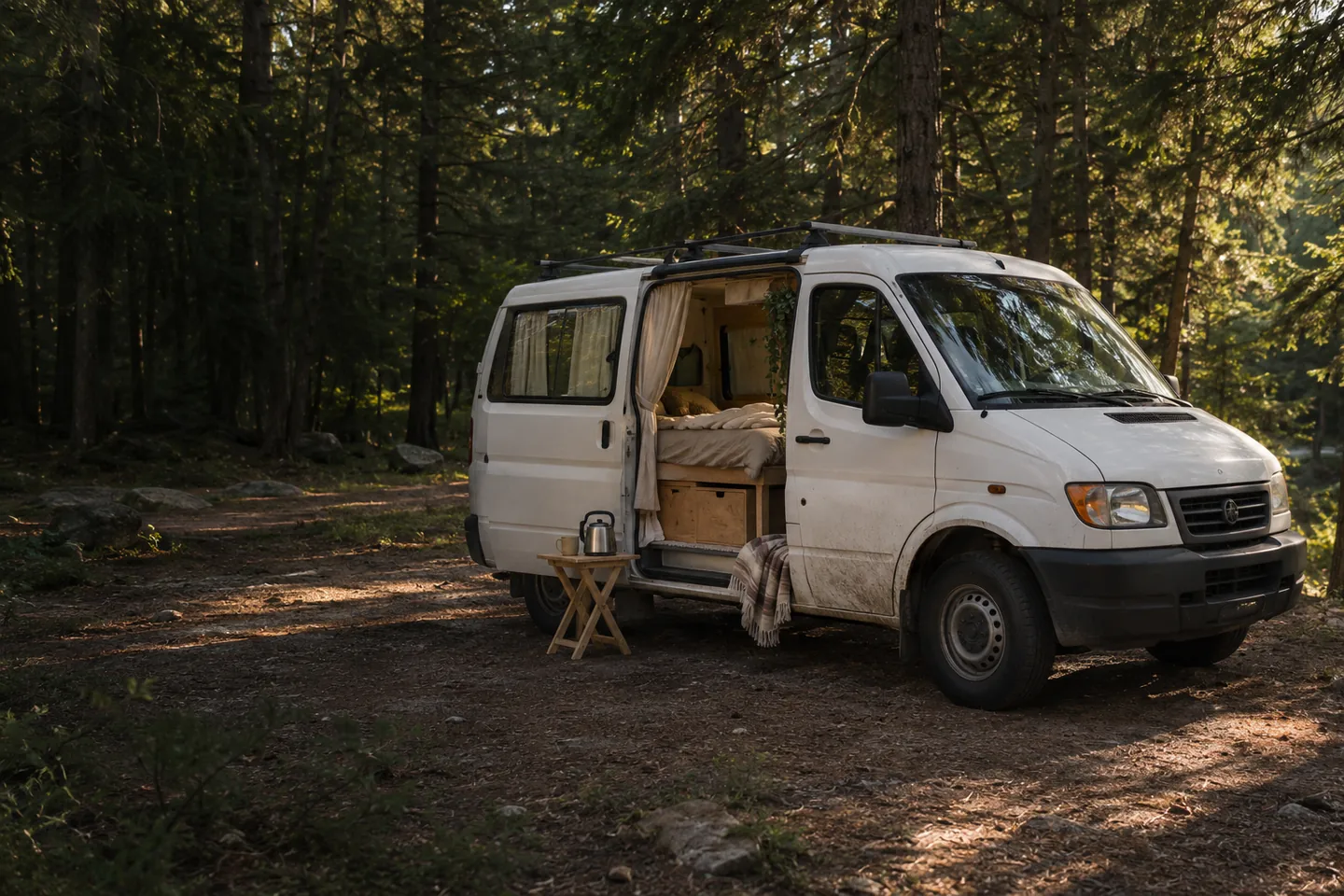
Plan a budget van conversion in stages: vehicle condition, a simple first layout, realistic cost allowances, and upgrades based on actual trips.
Read the guide