
TAKE THE
FEELING WITH YOU.
Original designs and useful ideas for your next chapter on the road.
Explore the collectionA community for life on the road—in cars, SUVs, vans, pickups, buses, RVs and trailers.
From a simple sleeping setup to a home on wheels.
Find campsites, builders, and local communities. A city, a ZIP code, or wherever the road takes you.
A community for car, SUV, van, and RV life. Share your journey, swap practical ideas, meet builders, and find rigs and gear for your next chapter. From a simple sleeping setup to full-time travel, you belong here.
Car-camping checklists, SUV sleeping layouts, and budget van-conversion ideas. Practical guides for wherever you’re starting.
From weekend escapes to full-time freedom. Meet the rigs that make it possible.
All rigs · Every kind of home on wheels.
DESIGN PREVIEW — Vehicle listings, photos, names and prices are illustrative, not verified vehicles for sale.
Meet the makers. Find builders and services by area, explore their work, and read experiences shared by members.
Explore the builder directoryReal stories, unexpected detours, useful advice, and people who understand why you took the scenic route.
Document your journey with photos and a map. Add friends, share stories, and join groups for every kind of traveler.
Explore the communityRigs, solar gear, build parts, and camp essentials. Discover nearby listings and give useful things their next chapter.
Original designs and useful ideas for your next chapter on the road.
Explore the collectionOpen your own storefront, list useful things, and connect with buyers nearby.
Explore Member ShopsA platform can create a flatter sleeping area and space for gear underneath. The useful starting point is a set of measurements and a daily routine—not a universal cut list.
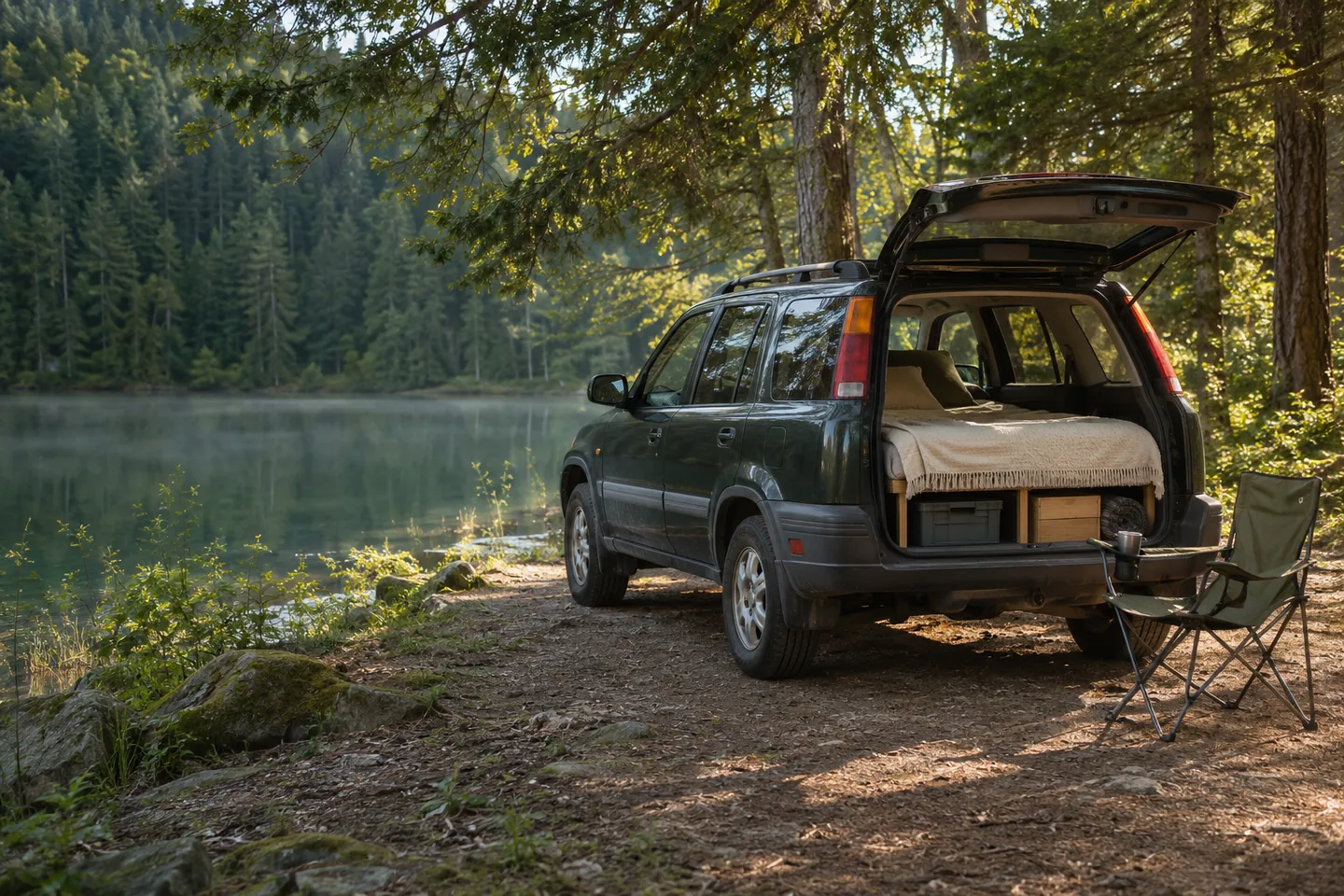
Write down who will sleep in the vehicle, which seats must remain usable while driving, and whether the platform needs to come out during the week. A solo weekend setup has different priorities from a shared bed in a daily family vehicle. If you use child seats, mobility equipment, or a pet crate, include those needs before drawing a bed.
Choose your must-have features: room to sit up, accessible shoes, space for a cooler, or a clear door opening. Then identify what you can give up. Extra storage height reduces the space above the mattress. A full-width bed may feel generous at night but leave fewer ways to reach gear. Make the compromise deliberately.
Use the actual vehicle with its normal trim, seats, and equipment in place. Check measurements at more than one height: the cabin may narrow toward the roof. Record your measurements in one unit and sketch the interior from above and from the side.
| Measure | Include in your notes |
|---|---|
| Usable length | Driving seat position, closed hatch, and any overnight seat movement |
| Width | Wheel arches, door trim, and the narrowest part of the proposed bed |
| Headroom | Proposed support height plus mattress thickness, including room to sit |
| Floor changes | Seat slope, hinges, gaps, and raised trim |
| Access | Doors, emergency equipment, spare tire, and items used every day |
| Removal route | Whether each section can pass through the hatch or door |
Do not copy another owner’s dimensions just because the model name matches. Different years, trim levels, and seat configurations can change the fit. Confirm the manufacturer’s instructions before removing seats or touching their wiring.
| Layout | Potential benefit | Tradeoff to test |
|---|---|---|
| Pad on folded seats | Fewest added parts and an easy first trial | Slopes and gaps may make sleeping uncomfortable |
| Partial-width platform | Room beside the bed for access or gear | Usually best suited to one sleeper |
| Full-width sectional platform | More sleeping width with removable pieces | More parts, weight, and work to reach storage |
These are layout ideas, not construction specifications. Before buying materials, mark the proposed footprint with paper or cardboard and use boxes only to visualize storage height. A cardboard mock-up is not a load-bearing bed. Check the space while sitting beside it, opening doors, and reaching for the items you would need in the dark.
Fit does not establish strength. Material thickness, span, joints, supports, occupant weight, and movement all affect a platform’s performance. Have an experienced builder assess the design and its intended load if you cannot do that reliably yourself. This guide does not provide a universal load rating or a structural cut plan.
Consult the vehicle manual for cargo limits and suitable restraint points. Include passengers, the platform, water, bedding, and every other item in your load planning. Keep access to seat belts, airbags, controls, and emergency exits. Cargo tie-downs are not interchangeable with seat-belt anchors, and a platform is not a passenger seat.
Plan how both the platform and stored items will be secured during travel. NHTSA’s secure-your-load guidance is a useful reminder to avoid overloading and double-check restraint. Vehicle-specific attachment and load questions belong with the manufacturer or a qualified installer.
Once the structure and restraints have been appropriately assessed, try the sleeping setup while parked somewhere suitable. Check whether mattress thickness changes headroom more than expected. Can you reach water without moving the whole bed? Can a second person get out? Can bedding air out after use? Can you reach the spare tire when the vehicle is packed?
Keep a short change list before adding drawers, carpeting, or permanent finishes. A removable bag may solve a storage problem with less weight and complexity than a drawer. Repeat the driving-mode check after every change: secure the pieces, restore seats correctly, and remove any driving obstructions.
If you are still deciding whether you need a platform, begin with our no-build car-camping checklist. For help shaping a larger project, explore the builder directory and bring your measurements, intended load, and daily seating needs to the conversation.
Plan your first car-camping night with a simple sleeping setup, a practical packing checklist, and a short test trip before buying a build.
Read the guide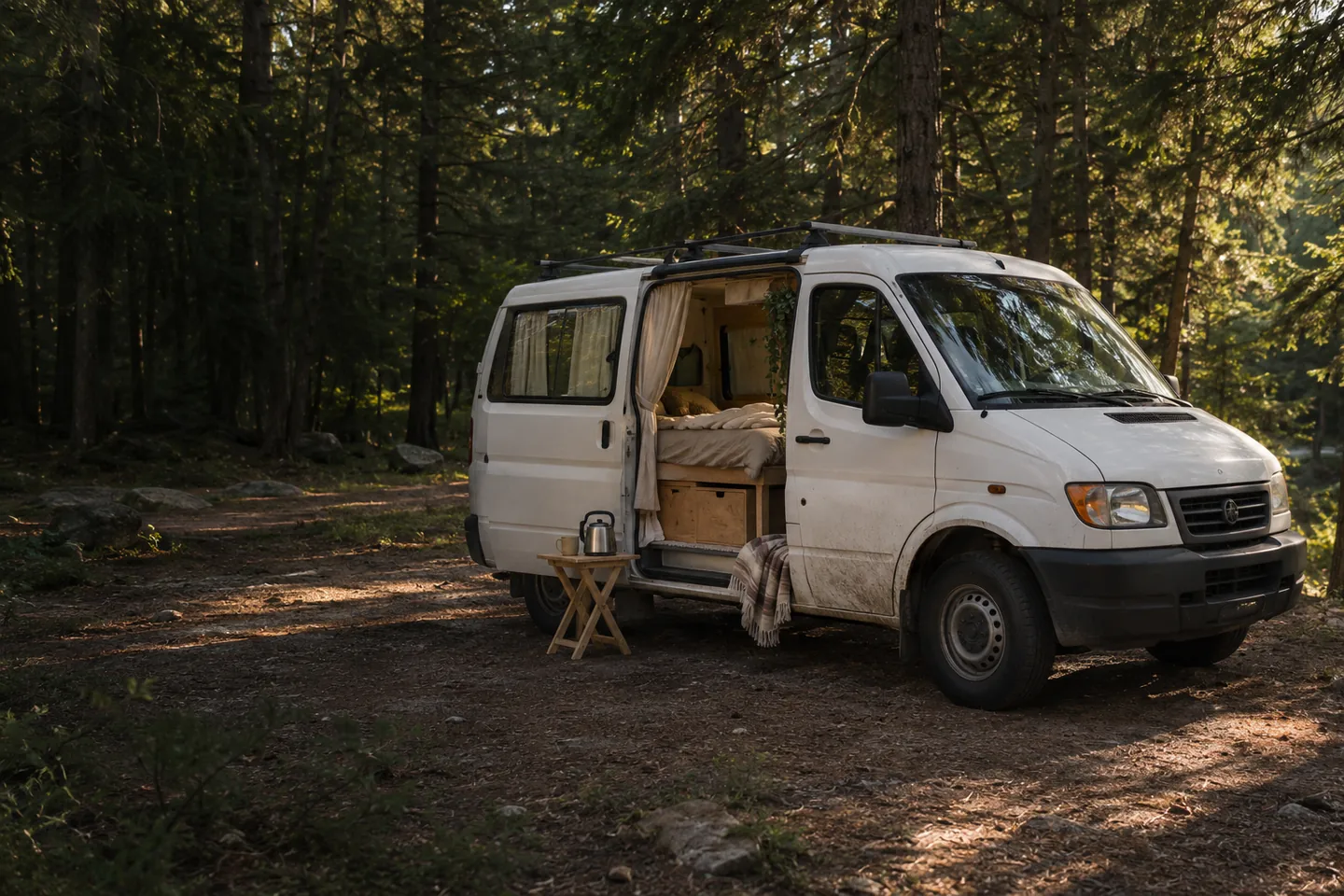
Plan a budget van conversion in stages: vehicle condition, a simple first layout, realistic cost allowances, and upgrades based on actual trips.
Read the guide